

Electrical hazards are among the most serious risks in industrial workplaces, with the potential to cause severe injuries or fatalities. Identifying these hazards and implementing appropriate control measures is essential for creating a safe working environment.
Shock and Electrocution
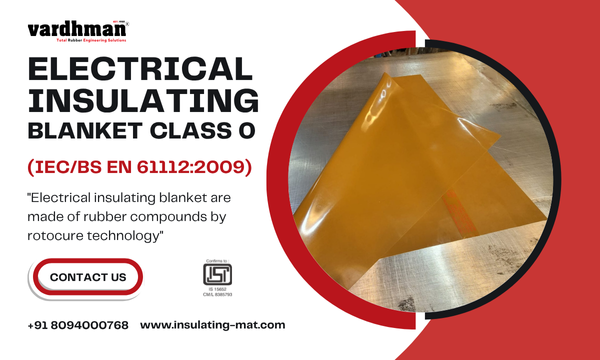
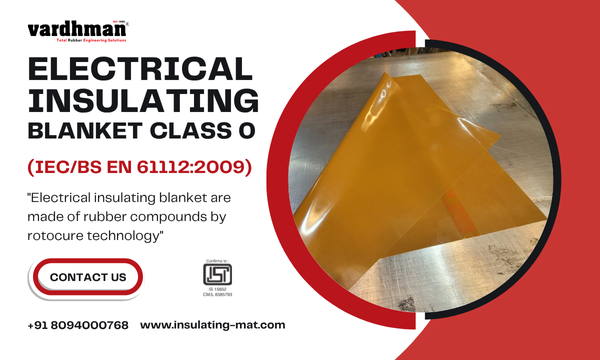
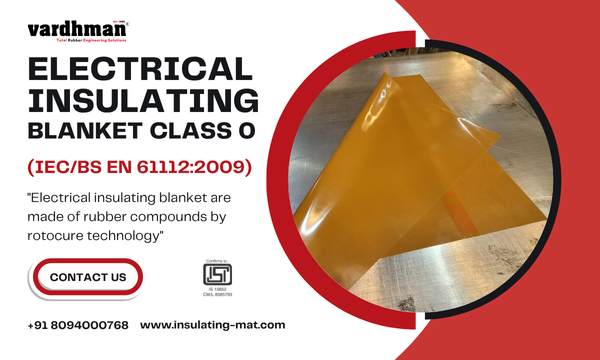
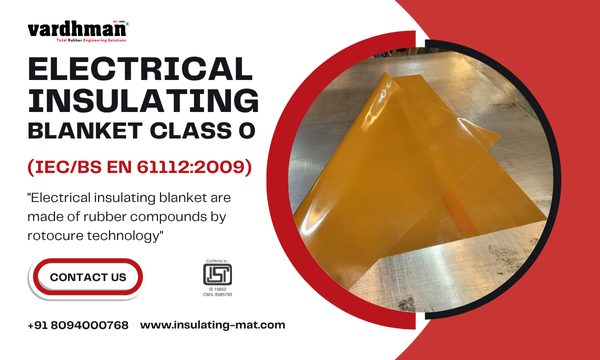
Electric shock occurs when a person becomes part of an electrical circuit, causing current to flow through their body. The severity depends on the amount of current, the path it takes through the body, and the duration of exposure. Electrocution is fatal electric shock. The primary control measure is insulating workers from potential sources of electrical current using equipment such as insulating mats, gloves, and tools.
Arc Flash
An arc flash is a violent electrical explosion that results from a low-impedance fault. It can produce extreme temperatures, intense light, and pressure waves. The best protection against arc flash is maintaining a safe working distance, using appropriate personal protective equipment, and implementing engineering controls such as arc-resistant switchgear.
Arc Blast
Related to arc flash, arc blast refers to the pressure wave created by the rapid heating of air and metal vaporization during an arc fault. This pressure wave can cause physical injuries, hearing damage, and send shrapnel flying. Proper barriers and personal protective equipment are essential for protection.
Fire and Explosions
Electrical faults can ignite flammable materials, leading to fires or explosions. This is particularly dangerous in environments with volatile substances. Control measures include proper equipment selection, explosion-proof enclosures, and implementing intrinsically safe systems in hazardous areas.
Burns
Electrical burns can occur from direct contact with electricity, arc flash, or thermal contact with overheated equipment. These injuries can be severe and may not be immediately apparent. Regular equipment maintenance and proper safety procedures help prevent burn injuries.
Implementing a Hierarchy of Controls
The most effective approach to managing electrical hazards follows the hierarchy of controls:
- Elimination/Substitution: Remove the hazard or replace with safer alternatives
- Engineering Controls: Design equipment and processes to minimize exposure
- Administrative Controls: Implement safe work practices and procedures
- Personal Protective Equipment: Use insulating mats, gloves, and other PPE as the last line of defense
Conclusion
Identifying and mitigating electrical hazards requires a systematic approach that combines engineering solutions, administrative controls, and appropriate personal protective equipment. By understanding the common electrical hazards in the workplace and implementing comprehensive control measures, organizations can significantly reduce the risk of electrical accidents.