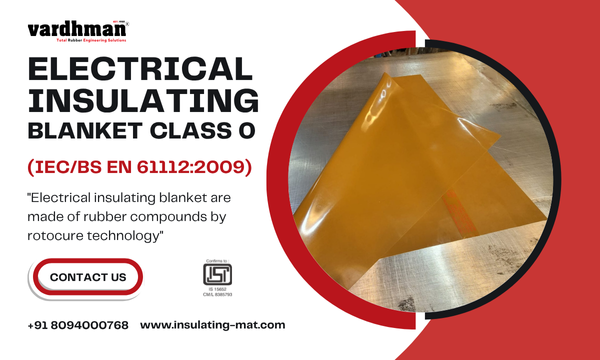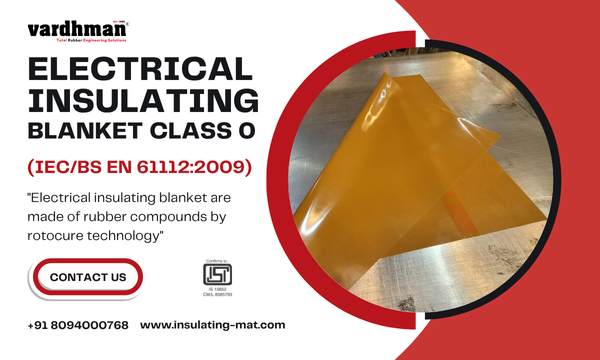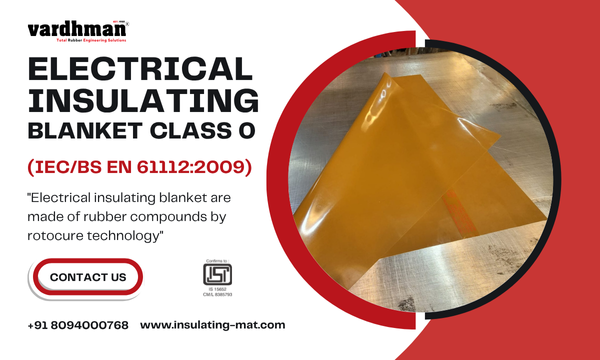


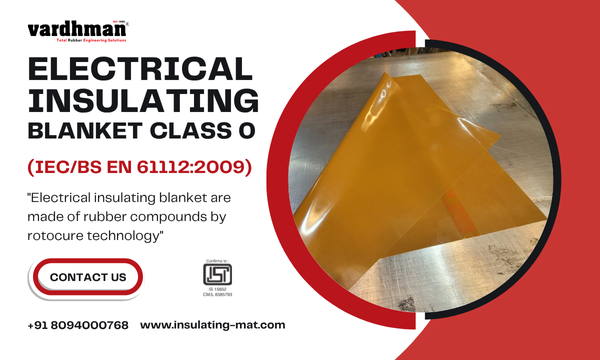
Selecting the right electrical insulating mat for your facility is a critical decision that directly impacts worker safety and regulatory compliance. With various options available in the market, understanding the key factors to consider can help you make an informed choice.
Understanding Voltage Classes
Electrical insulating mats are categorized into different classes based on their voltage-withstanding capabilities. These classes, defined by international standards such as IEC 61111, range from Class 00 (up to 500V) to Class 4 (up to 36,000V). The first step in choosing the right mat is to identify the maximum voltage present in the area where the mat will be installed.
Material Considerations
The material composition of an insulating mat determines its durability and effectiveness in different environments. While most mats are made from rubber or elastomeric compounds, some are specially formulated to resist oil, chemicals, or extreme temperatures. For facilities with specific environmental challenges, such as chemical plants or outdoor installations, selecting a mat with appropriate material properties is essential.
Size and Thickness Requirements
The size and thickness of the insulating mat should be determined based on the workspace layout and the specific tasks performed. The mat should provide adequate coverage to ensure workers remain on the insulated surface while interacting with electrical equipment. Thicker mats generally offer higher voltage protection but may be less flexible, so finding the right balance is important.
Compliance and Certification
Always choose insulating mats that comply with relevant international standards and carry appropriate certifications. Look for markings that indicate the mat's voltage class, standard compliance, and testing date. Reputable manufacturers will provide detailed documentation about their products' performance characteristics and compliance with safety regulations.
Maintenance and Longevity
Consider the maintenance requirements and expected lifespan of the insulating mat. Some mats may require regular testing and replacement to ensure continued effectiveness. Factor in these long-term considerations when evaluating different options, as a slightly higher initial investment may provide better value over time if it reduces maintenance requirements.
Conclusion
Choosing the right insulating mat requires careful consideration of voltage requirements, environmental factors, and compliance standards. By evaluating these factors systematically, you can select a mat that provides optimal protection for your workers and ensures your facility meets safety regulations.